
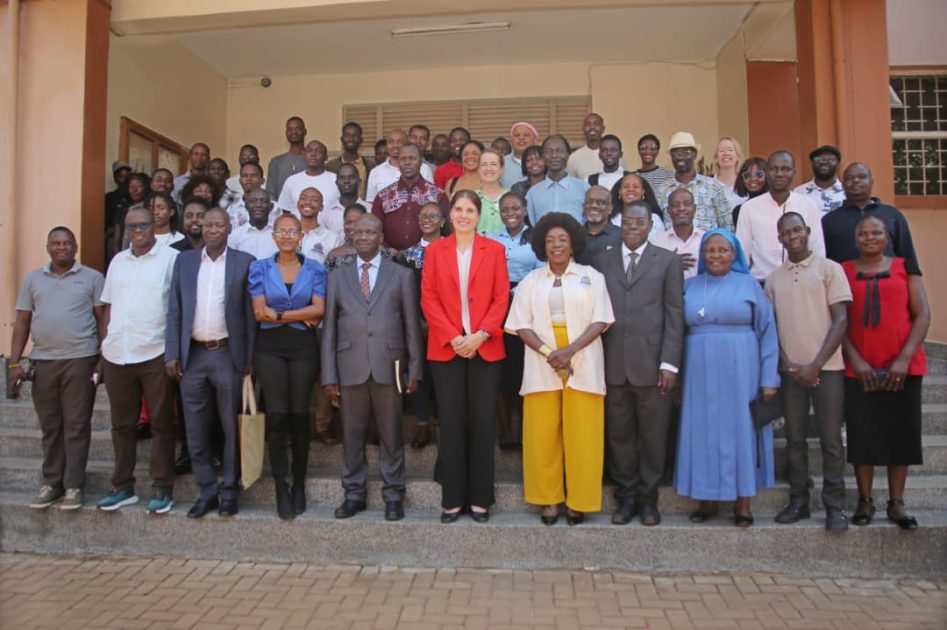
Creatives urged to turn talent into sustainable careers
The Swedish Ambassador to Uganda, H.E. Anna-Maria Olsson, has urged the creative industry to realise the sector’s economic potential and harness it for sustainable employment, adding that creativity and economic productivity should go hand in hand. The Ambassador, who said Kyambogo University was the first university she had visited since becoming Sweden’s Ambassador to Uganda, urged practitioners to embrace technology to improve their work, reach wider markets, and adapt to changes in the creative economy. “The creative economy is fast changing,” she said, calling on practitioners to continuously upgrade their skills, create value, and improve their livelihoods while generating opportunities for others. The Ambassador’s message highlighted the growing intersection between creativity, technology, and economic development, particularly as digital platforms reshape how creative products are produced, marketed, and consumed. 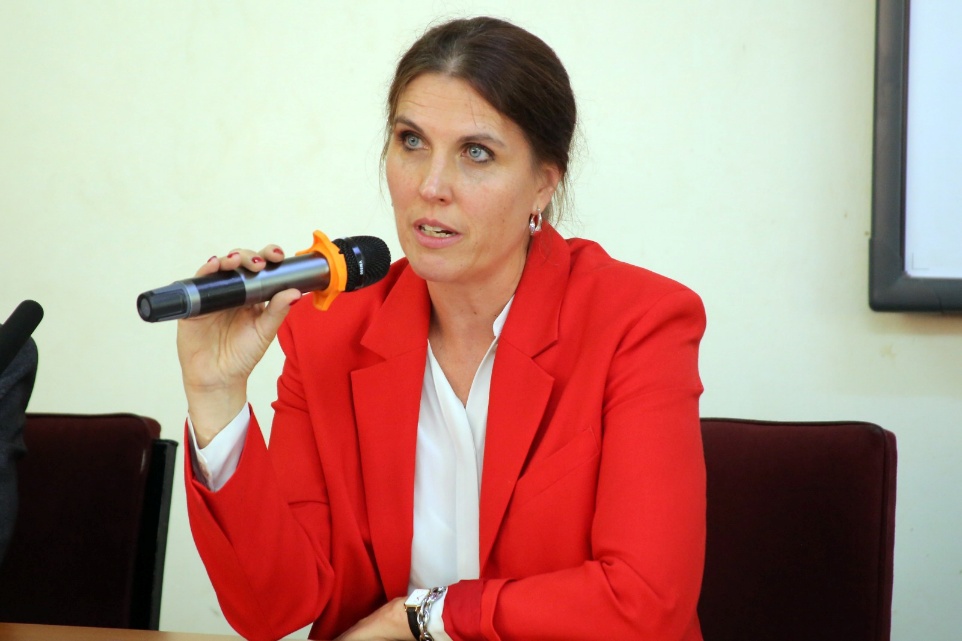
H.E. Anna-Maria Olsson addressing participants at the Uganda Partnership Day Masterclass and Demo Workshop at Kyambogo University
The call was made during the Uganda Partnership Day Masterclass and Demo Workshop at Kyambogo University on Wednesday, September 9, 2026, when academics, policymakers, and creative industry practitioners explored opportunities to strengthen Uganda’s creative economy.
Associate Professor Justus Kwetegyeka, the Deputy Vice Chancellor for Finance and Administration at Kyambogo University, representing Prof. Eli Katunguka-Rwakishaya, the Vice Chancellor, reinforced the message, emphasising that the creative sector should be seen as more than a source of entertainment. He said creativity creates opportunities for employment, innovation, and societal transformation, particularly by empowering young people to turn their ideas and talents into productive ventures. The masterclass discussions underscored the need for stronger links between education, creativity, technology, and the marketplace. For young creatives, the message was clear: talent is an important starting point, but building a sustainable career requires innovation, continuous learning, effective branding, and the ability to create value. As Uganda’s creative economy continues to expand, institutions such as Kyambogo University are increasingly positioning creative education as a means to equip young people not only to participate in the industry but also to create employment and contribute to wider economic and social development.
On his part, Dr James Isabirye, Head of the Department of Performing Arts and Lecturer in Music and Music Education at Kyambogo University, said the university had created an enabling environment for creatives to develop their talents and translate their learning into employment opportunities. He encouraged creatives to deliberately build their personal brands and cultivate a respected image for their products, arguing that success in the creative industry depends not only on product quality but also on how it is presented and positioned in the market. “Creatives are not only for entertainment. They are also about employment and innovation, especially for the youth,” Dr Isabirye said. He noted that strengthening creative skills and linking them to practical economic opportunities could help young people turn their talents into sustainable livelihoods.