
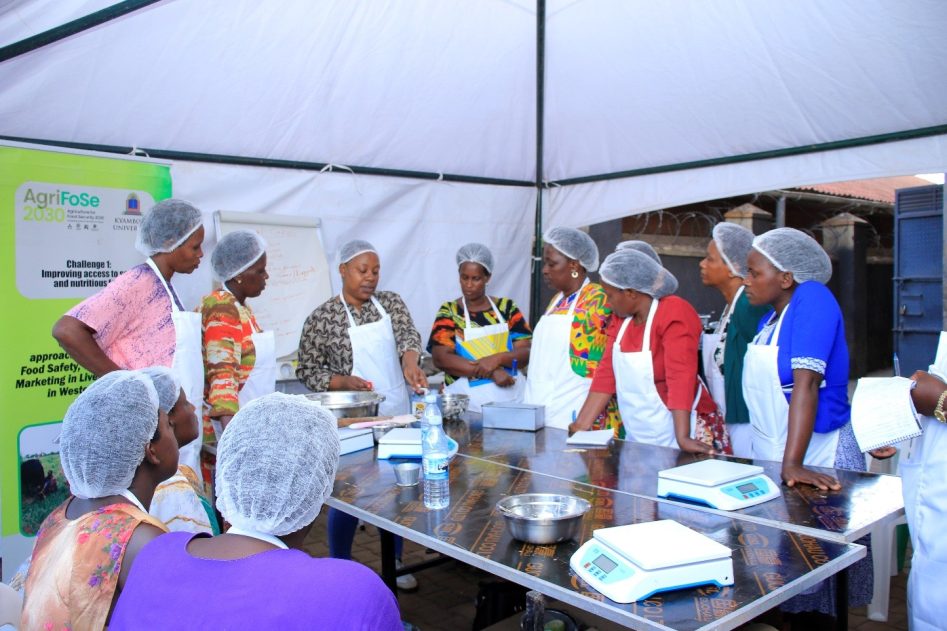
For decades, the rhythm of life in Western Uganda has been dictated by the price of a liter of milk and the effect of climate change especially prolonged dry spells. When prices fell and scarcity of milk in the dry spells, families struggled. Today, a quiet but powerful revolution is unfolding as rural women swap traditional farming for high-tech entrepreneurship, turning cow ghee into skincare, nutritious foods and cow dung into clean energy.
Through a strategic partnership between Kyambogo University HuB and the AgriFoSe Project, hundreds of women across Kiruhura and Bushenyi districts have transitioned from subsistence farmers to “Value-Addition” experts.
The AgriFoSe project has successfully transitioned rural women from subsistence cattle-rearing to leading competitive agribusinesses. By integrating Value Addition (turning raw milk into high-value goods) with Renewable Energy (Biogas), the project has addressed the triple challenge of poverty, health risks from wood smoke, and environmental degradation.
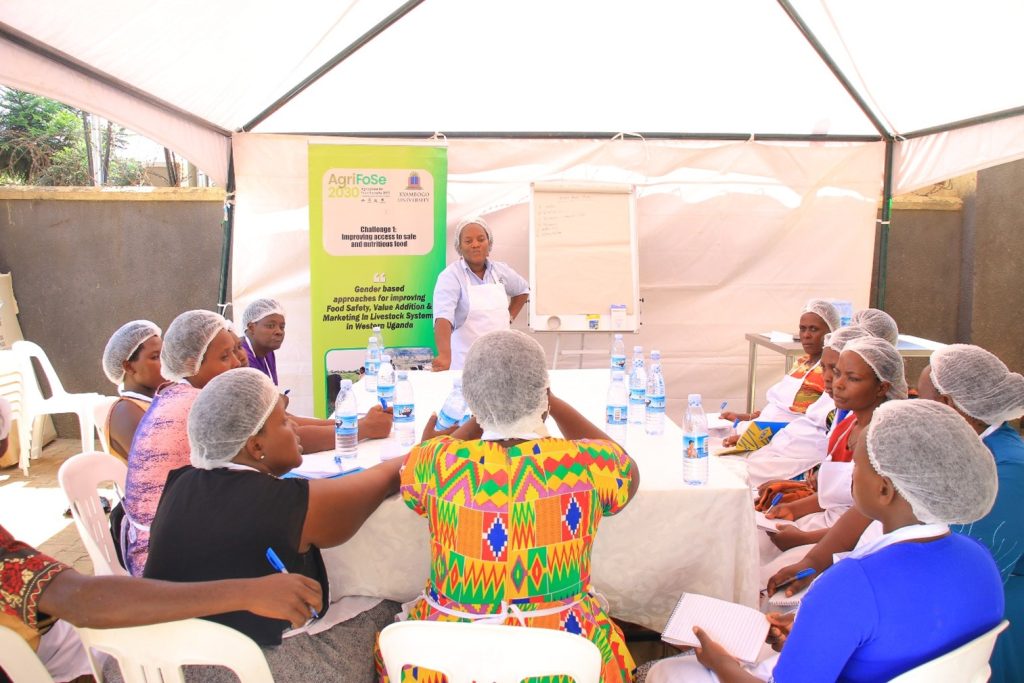
“Previously, we were just women in a village,” says Gladys Komugisha, Chairperson of the Kagando Value Addition Group. “Today, we are business owners. We are no longer just consumers; we are producers.”
For years, surplus milk often went to waste due to lack of storage. Now, groups like the Nkokunji Abakyala Tukoole are processing that surplus into high-demand yoghurt and medicinal smearing jelly. By adding value to raw materials, these women have decoupled their household income from the volatile dairy market.
The Biogas Breakthrough
Perhaps the most visible sign of change is the arrival of biogas technology. In communities where firewood is increasingly scarce and expensive, the project has installed systems that convert animal waste into clean cooking gas.
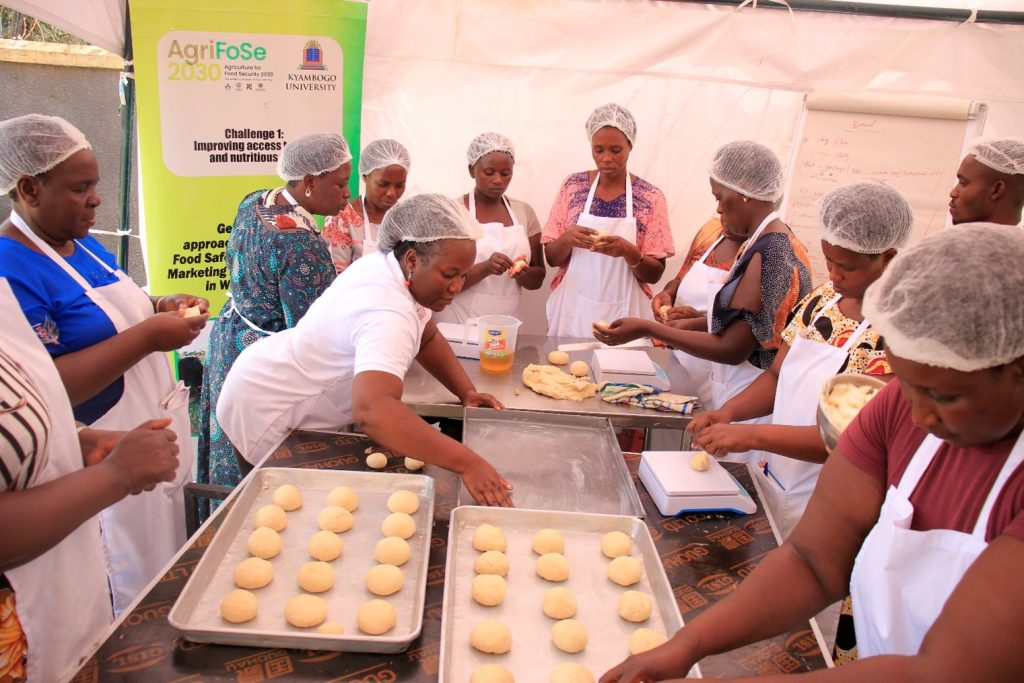
For Joselyn Kyamaziima Mugarra of the Nyamiyaga Tukore Association, this is a matter of life and death. “As women, the smoke has been one of our greatest challenges, causing chronic eye irritation,” she explains. Beyond health, the biogas powers industrial-sized ovens, allowing the groups to process their yoghurt with ease, process cosmetics and bake ghee-bread, ghee- cakes, and ghee-cookies at a commercial scale.
At the Kiruhura Women in Value Addition group, Chairperson Victor Birungi is leading a masterclass in cost-cutting. By using their own cow ghee as a substitute for expensive industrial cooking oil and utilizing home-grown eggs and bananas, the group has slashed production costs.
To solve the problem of high machinery costs, they have adopted a “School Model.” “We work collectively,” Victor explains. “By pooling resources in a centralized hub, we reduce individual capital requirements and can fulfill much larger orders. We are a unified supply chain.”
The impact of the training has reached beyond the kitchen and into the heart of the home. In Nama Subcounty, Nabukenya Harriet shares how the project’s focus on social welfare helped her identify and stop child abuse within her community.
“I learned that children need to be listened to,” Harriet says. “This knowledge will improve academic performance and protect our children’s rights.”
While the transformation is undeniable, the journey is not without hurdles. In the off-grid community of Kinoni, the lack of electricity remains a barrier to preserving perishable yoghurt though AgriFose supported them with deep freezers. Furthermore, the groups are now eyeing global markets, with leaders like Anna Tumurebire calling for support in obtaining formal UNBS (Uganda National Bureau of Standards) certification which Kaymbogo University Hub is following up on.
“We have the skills, we have the biogas, and we have the collective will,” says Victor Birungi. “We are ready to grow.”
As these women move from the farm to the factory floor, they aren’t just feeding their families, they are rewriting the economic future of rural Uganda.
Tags: AGRIFOSE Project, biogas energy, climate smart agriculture, dairy value addition, Kyambogo University, renewable energy Uganda, rural women agribusiness, Women Empowerment